
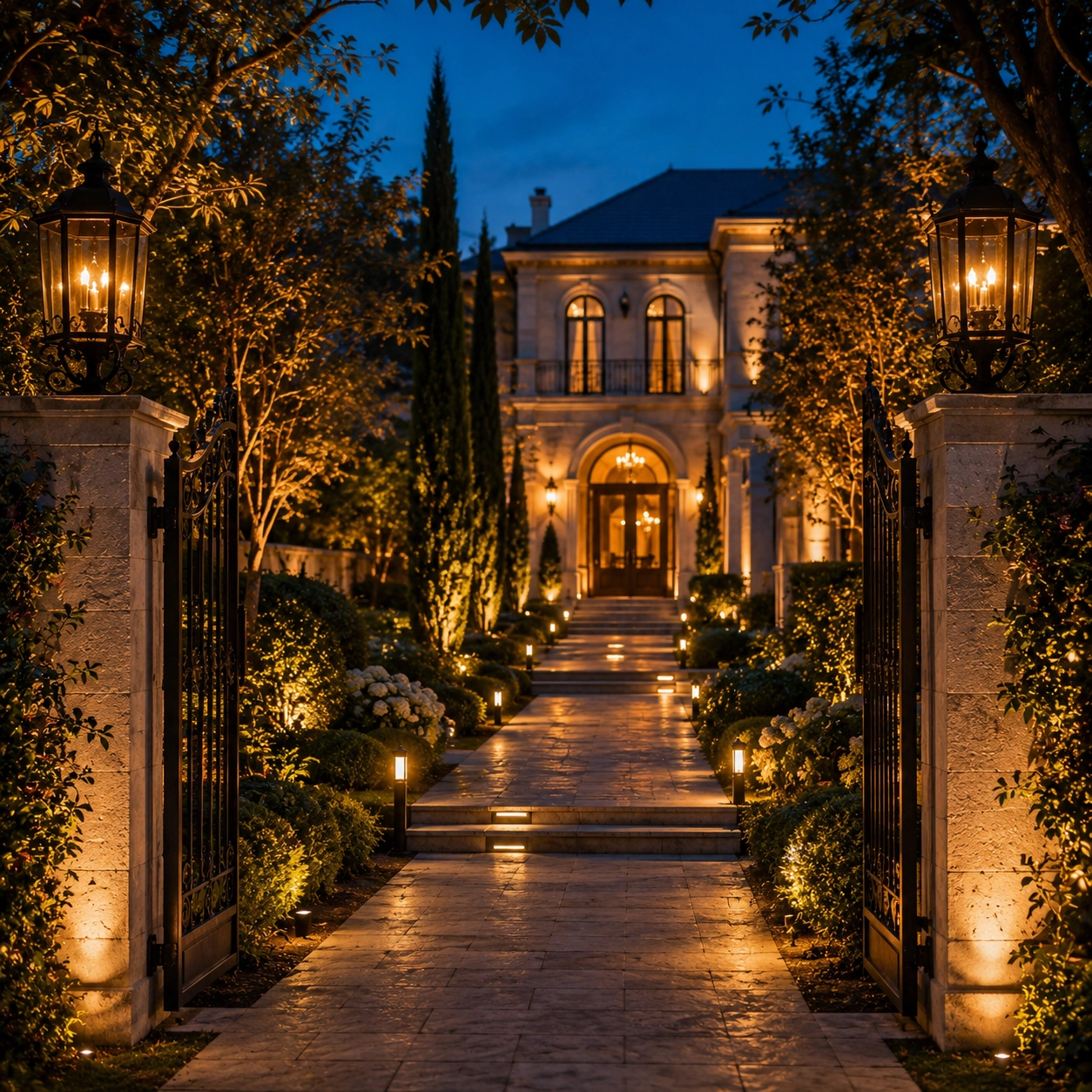
Selecting the right lighting for your yard and garden is a crucial step in outdoor lighting design. Beyond simply providing necessary illumination, the right fixture can enhance the architectural beauty of the building, the greenery, and the walkways. However, many people focus solely on appearance or price when purchasing garden lights, overlooking technical specifications. This oversight can lead to poor lighting quality, excessive energy consumption, and increased maintenance costs.
To make the best choice, it is helpful to be aware of seven common mistakes made when buying outdoor lighting.
1. Choosing a light based solely on appearance
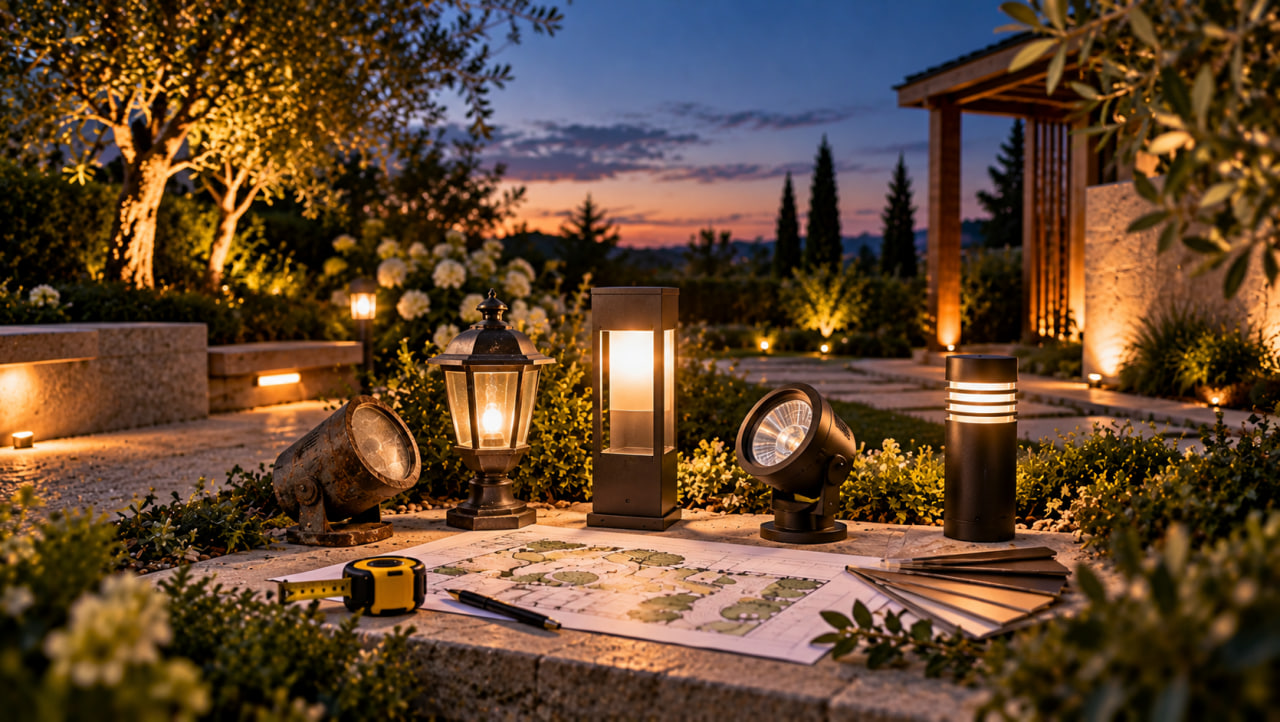
While aesthetics are important, they shouldn't be the only factor in your decision. A light suitable for illuminating an entryway may not necessarily provide enough light for a large open area. Before purchasing, determine whether the light is intended for general illumination, garden beds, courtyard walls, or the building entrance.
2. Ignoring the IP rating
Outdoor lights are exposed to rain, moisture, and dust. Selecting a light with an inadequate IP rating increases the risk of damage to internal components. For many outdoor environments, an IP65-rated light is a suitable choice; however, you should also consider the specific installation site and the extent of potential water exposure.
3. Choosing the wrong light intensity
Another common mistake is using lights that are either too bright or too dim. Excessive brightness can cause glare, while insufficient light leaves parts of the path in darkness. When selecting yard and garden lights, consider the lumen output, beam angle, and the size of the area to ensure appropriate illumination.
4. Using mismatched light color
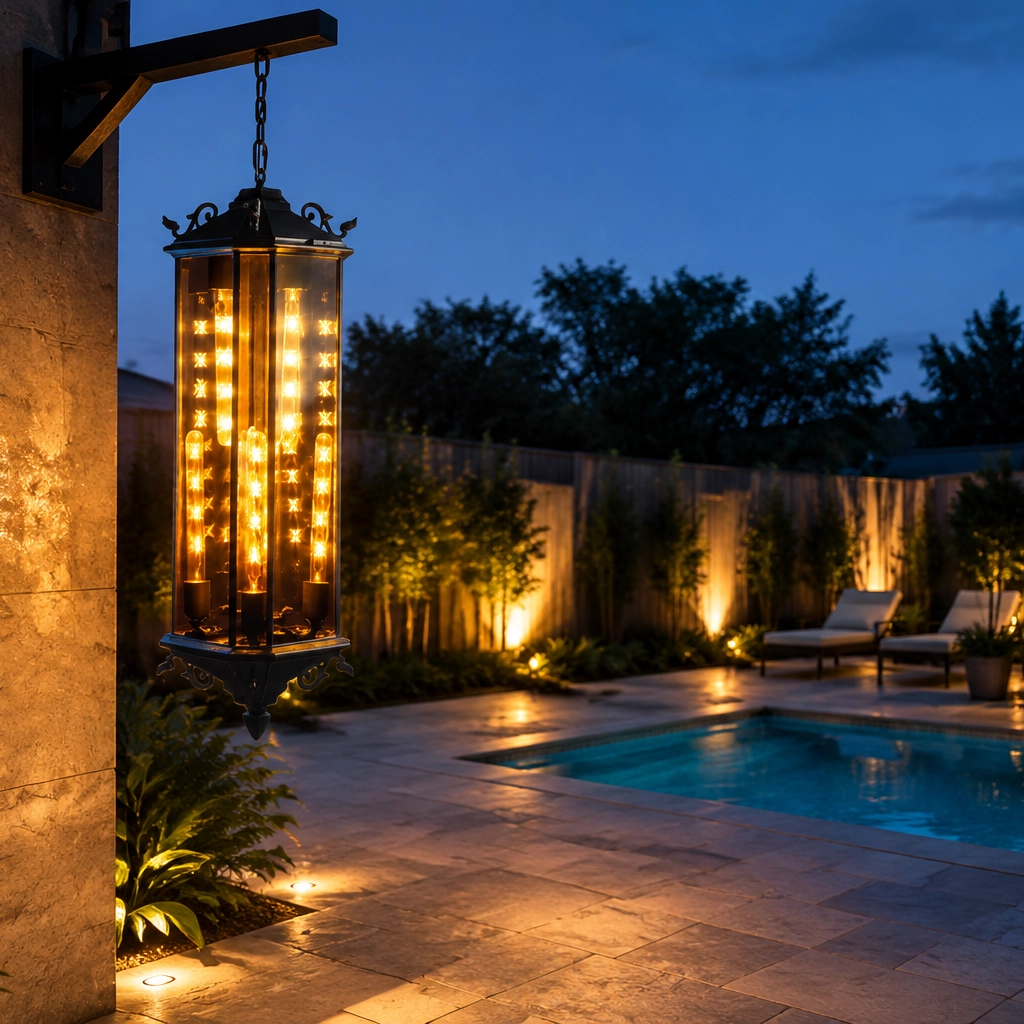
The color of the light significantly impacts the aesthetics and atmosphere of the environment. Warm-toned light with a color temperature of approximately 2700 to 3000 Kelvin is generally suitable for creating a cozy, relaxing atmosphere in gardens and villas. Conversely, natural-toned light may be appropriate for specific pathways and building entrances. It is best to ensure that the light colors of adjacent fixtures are coordinated.
5. Overlooking Body Material and Build Quality
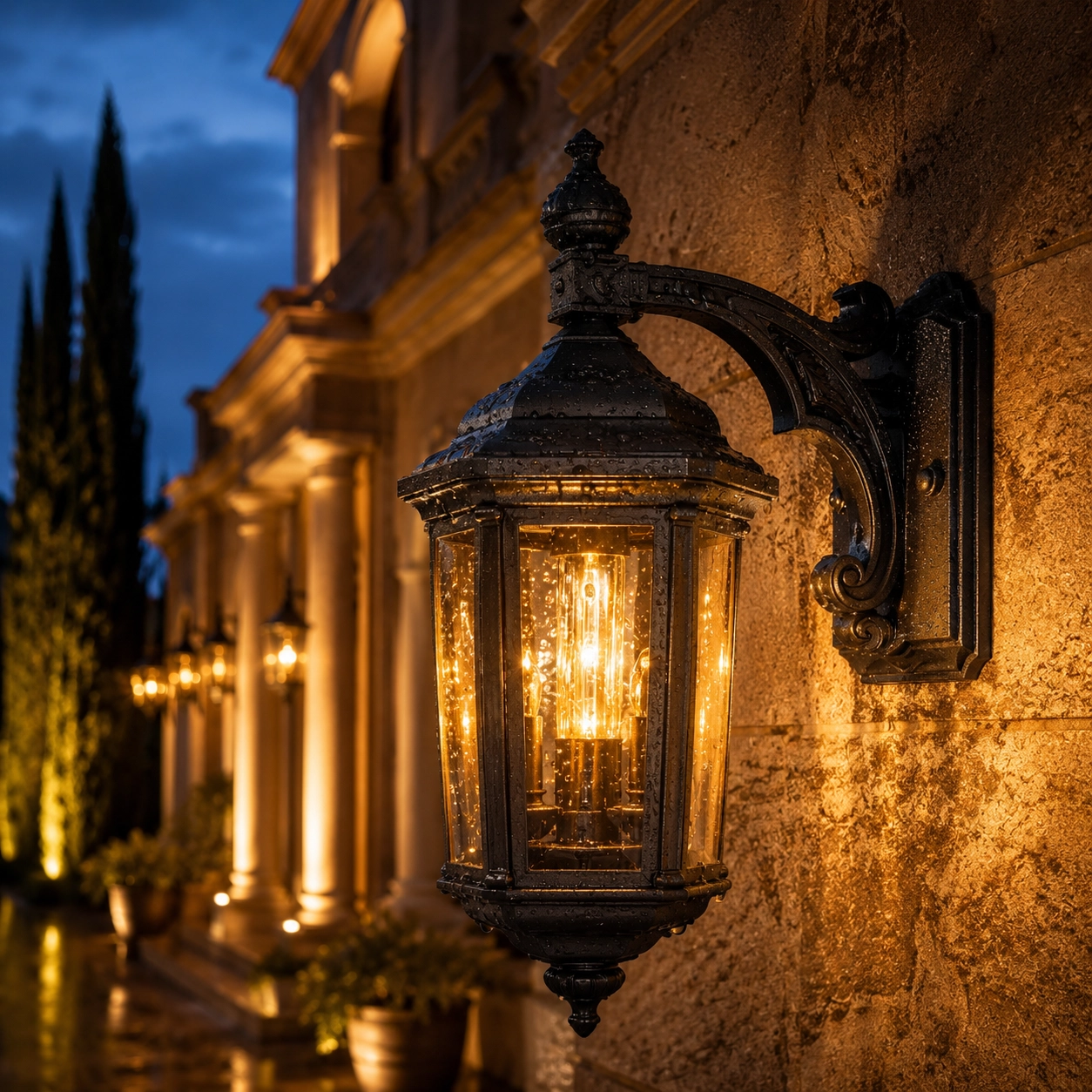
Outdoor and garden lights must be sufficiently resistant to environmental conditions. Using fixtures with substandard housing or poor-quality paint finishes can reduce the product's lifespan. Lights featuring die-cast aluminum bodies and high-quality powder-coated finishes are excellent options to consider for many outdoor applications.
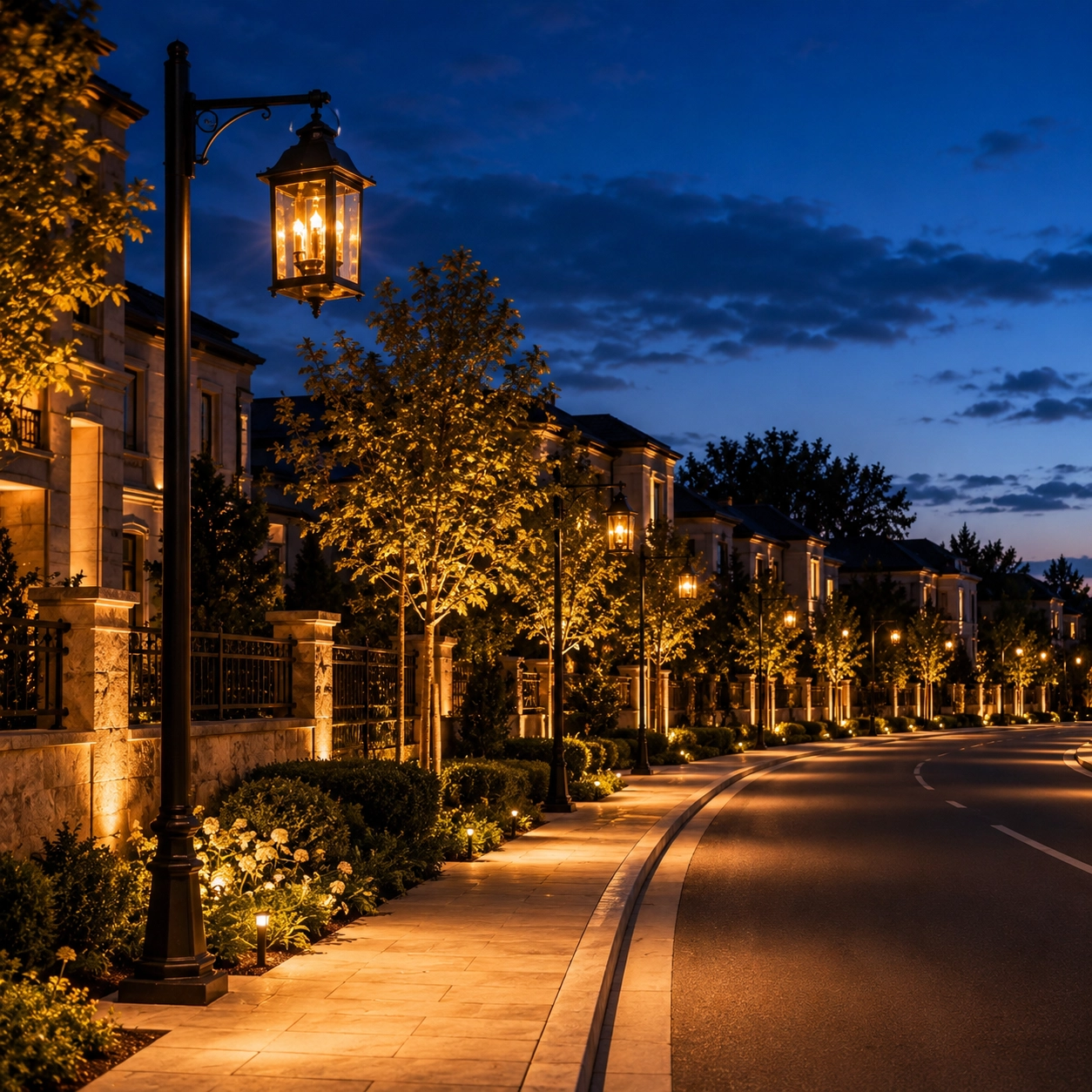
6. Incorrect Installation Height and Spacing
Even a high-quality light fixture will not yield the desired results if installed improperly. Excessive spacing between lights can create dark spots, while placing them too close together results in uneven illumination. Installation height, beam angle, and spacing should be determined based on the specific product and the dimensions of the area.
7. Ignoring the Building's Architectural Style
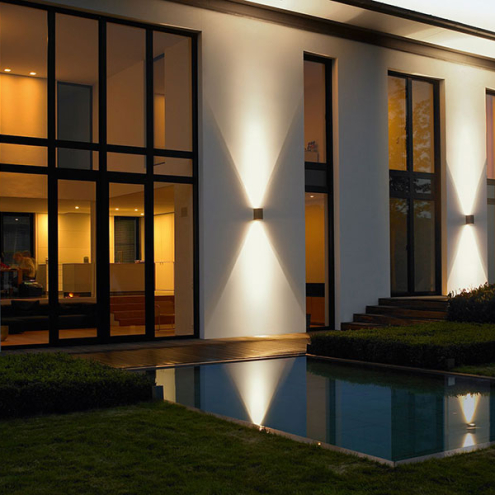
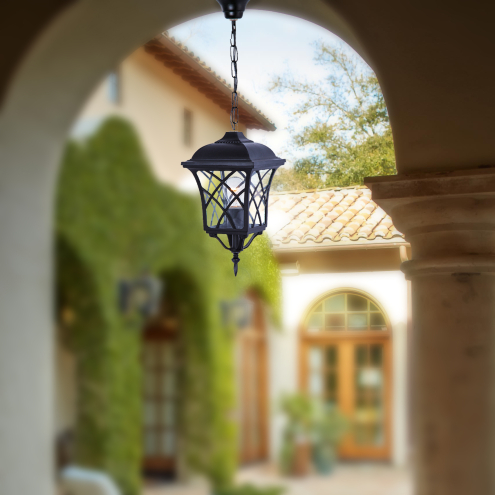
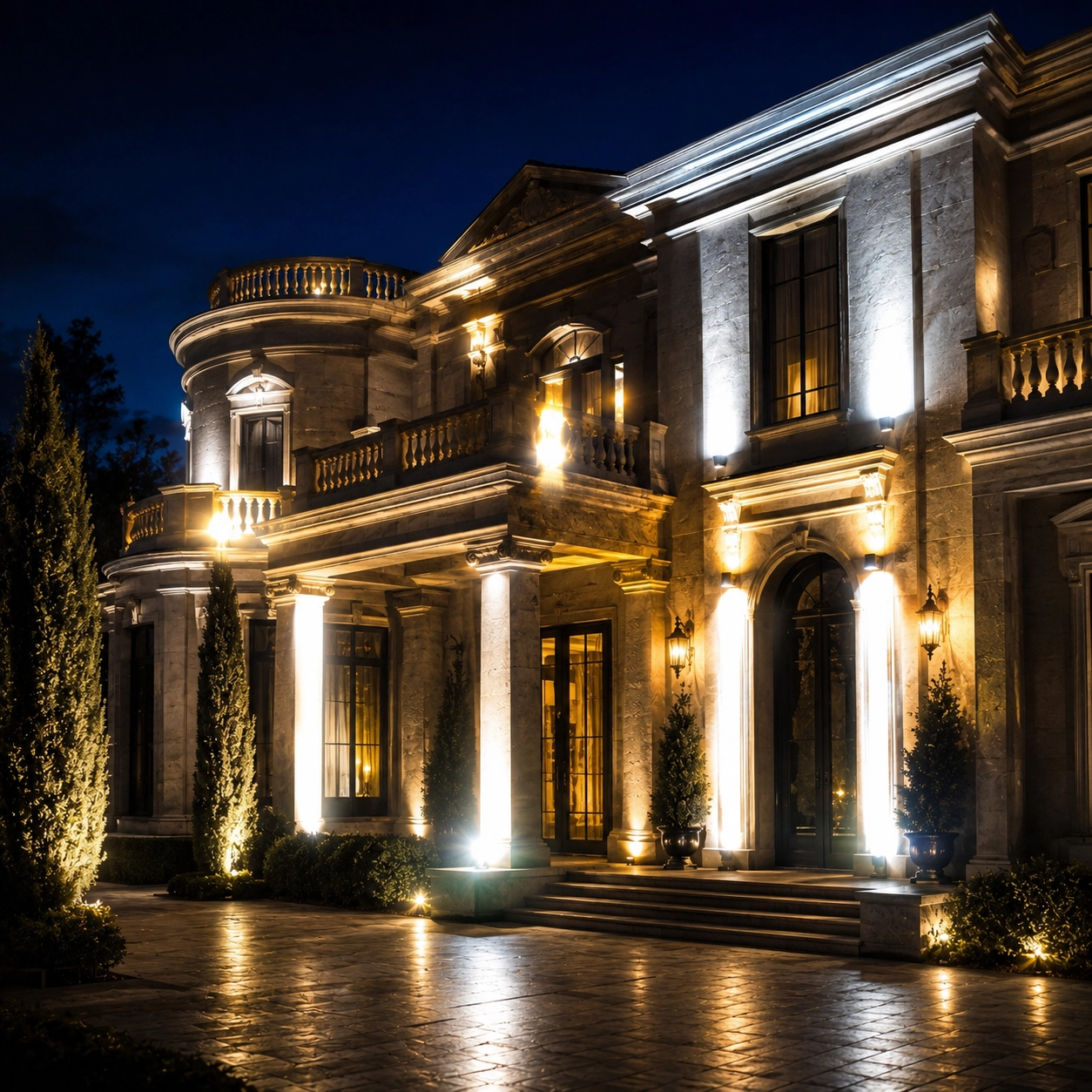
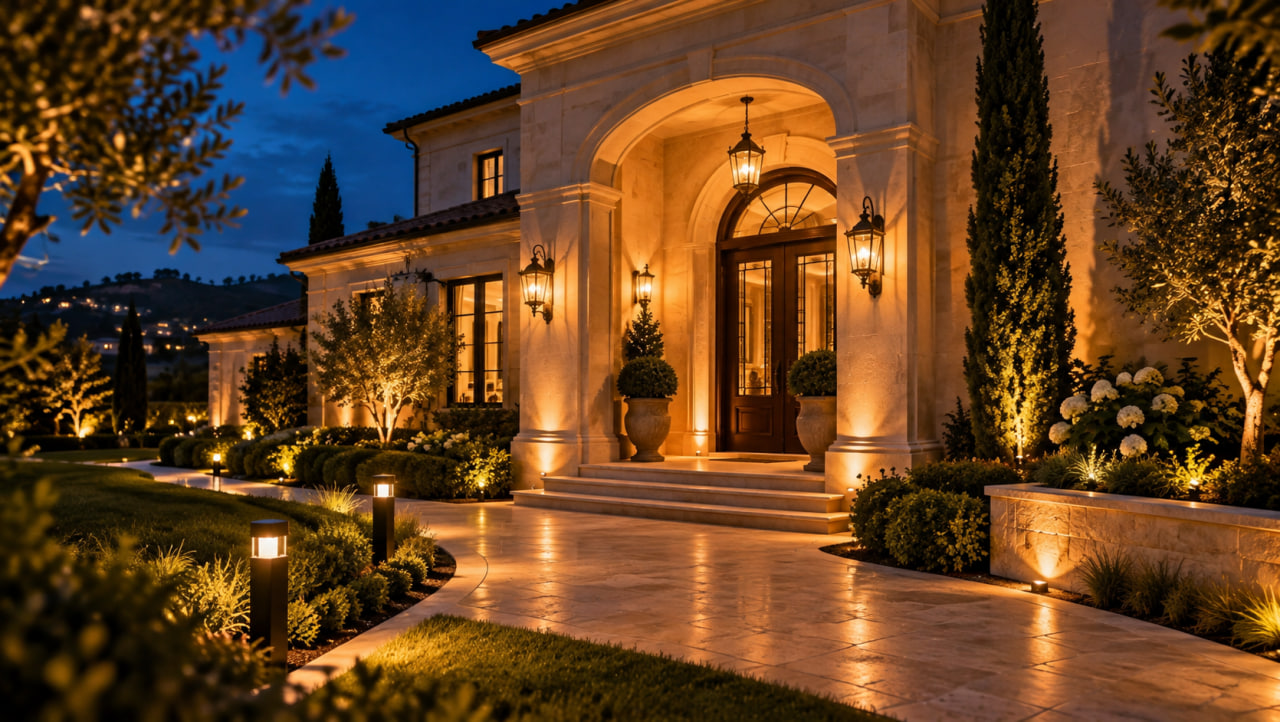
Beyond providing illumination, outdoor lights are an integral part of a building's visual design. For modern buildings, fixtures with simple, geometric forms often create a more harmonious look. In contrast, decorative lights with intricate details may better suit classical architecture. Selecting matching models for walls, pathways, and garden beds helps create a cohesive landscape design.
Conclusion
When purchasing lights for your yard or garden, first determine the installation location and the lighting objective. Then, select a product suited to the environment's needs by evaluating factors such as the IP rating, light intensity and color, body material, build quality, and installation method. Paying attention to these seven points will help you avoid unnecessary costs while achieving lighting for your courtyard, garden, or villa that is more beautiful, functional, and harmonious.
اشتراک گذاری:


نظرات
هنوز نظری ثبت نشده است.