Wall-Mounted Lights vs. Post Lights: Which Is Better?
Choosing the right lighting for a courtyard or villa directly impacts the area's aesthetics, the quality of illumination, and the safety of walkways. While both wall-mounted lights and post lights are used for outdoor lighting, they differ in terms of installation location, light distribution, and visual appeal.
If you are planning to purchase outdoor lighting, it is best to first understand the function of each type and then make a decision based on the size of the area, the architectural style, and the required level of brightness.
1. What Is a Wall-Mounted Light and What Is Its Use?
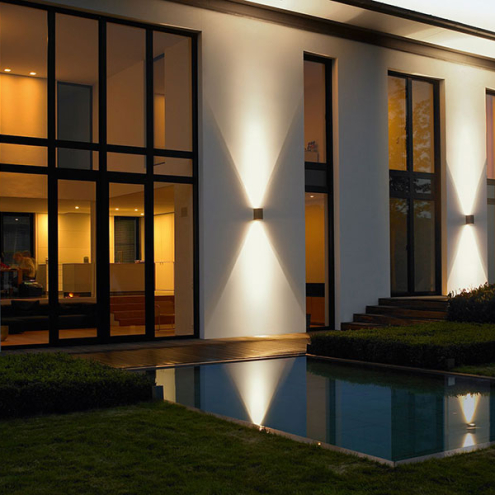
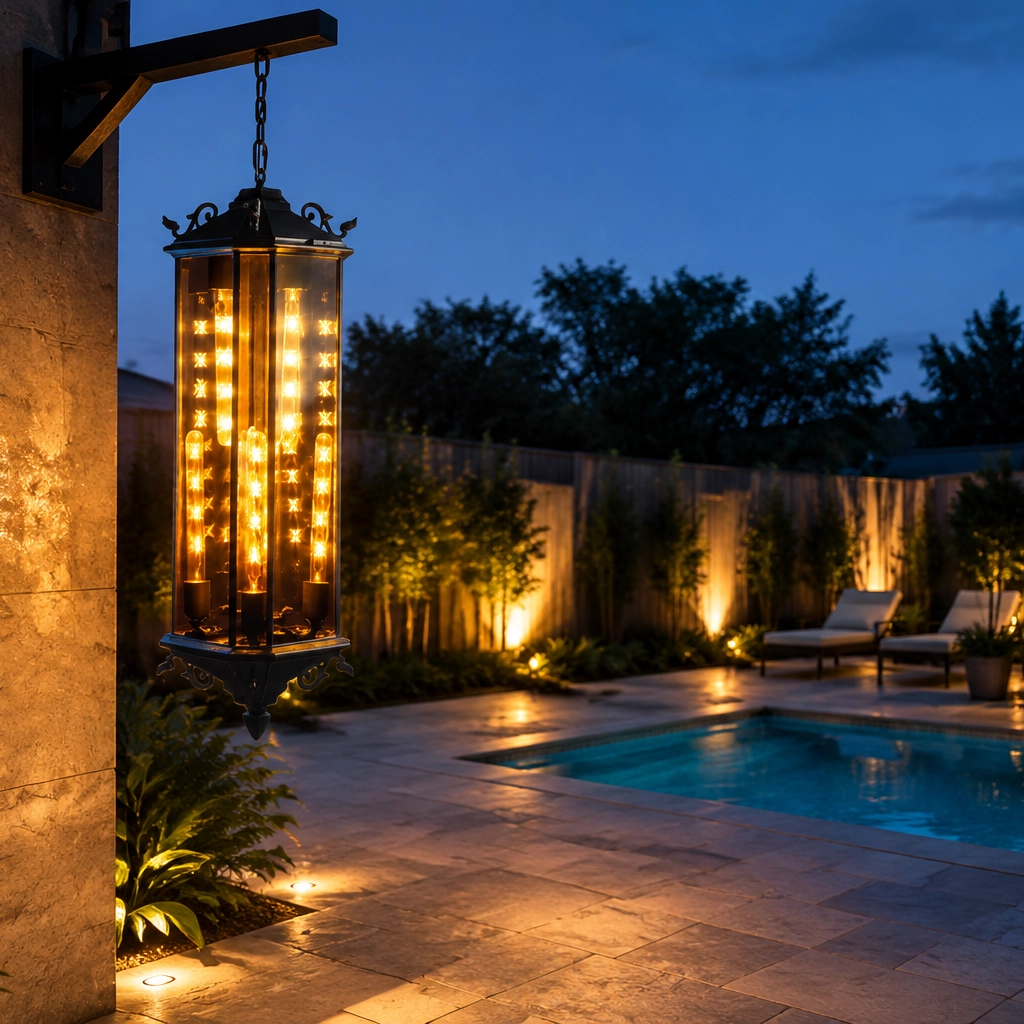
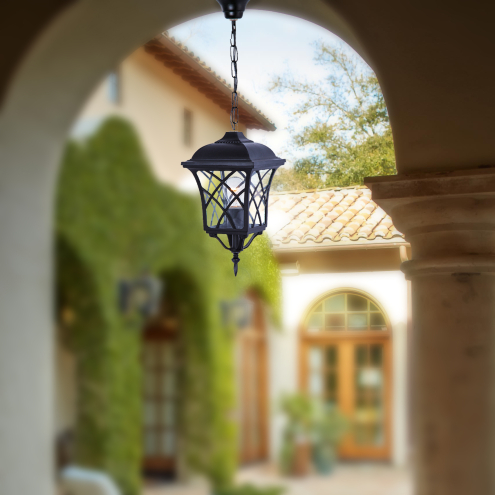
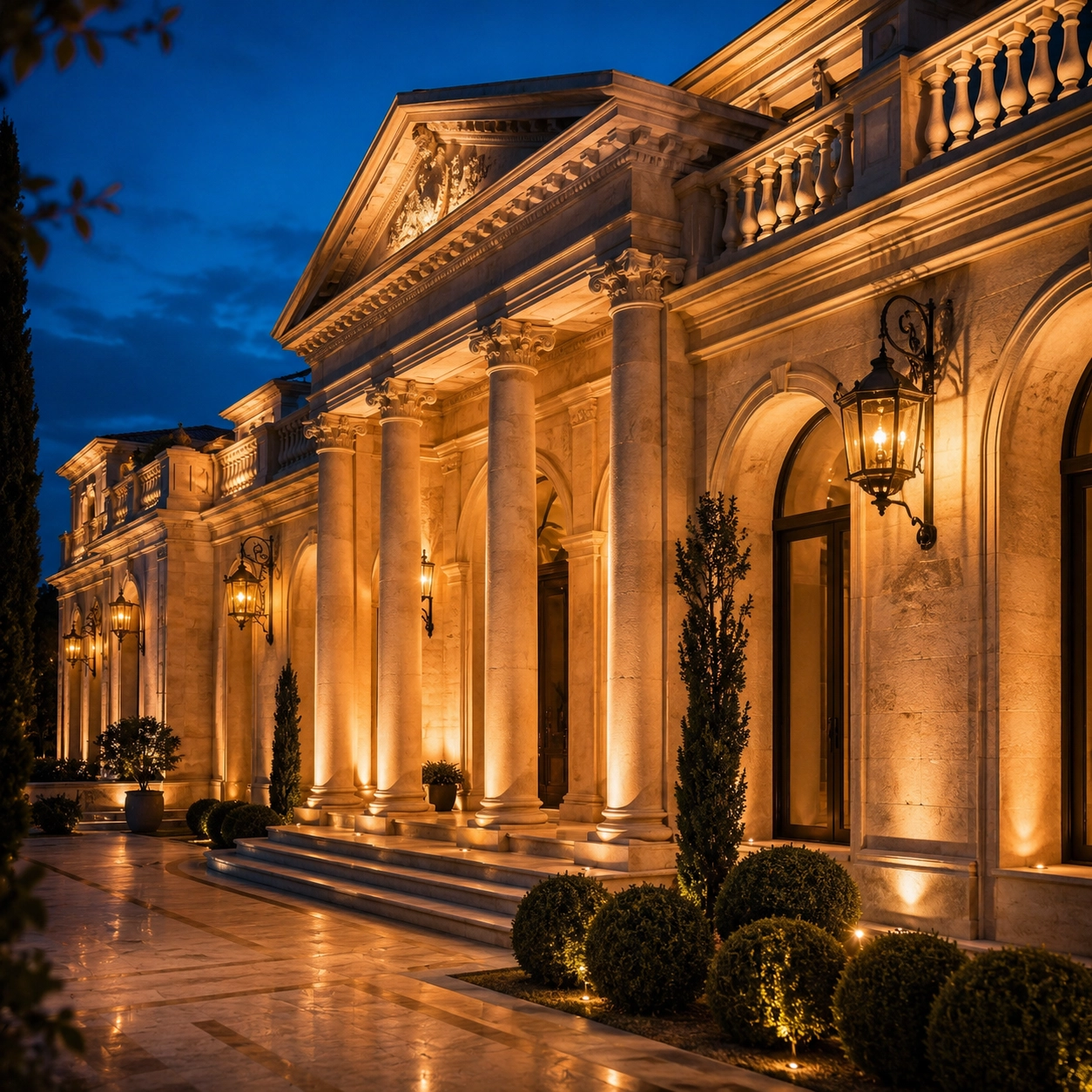
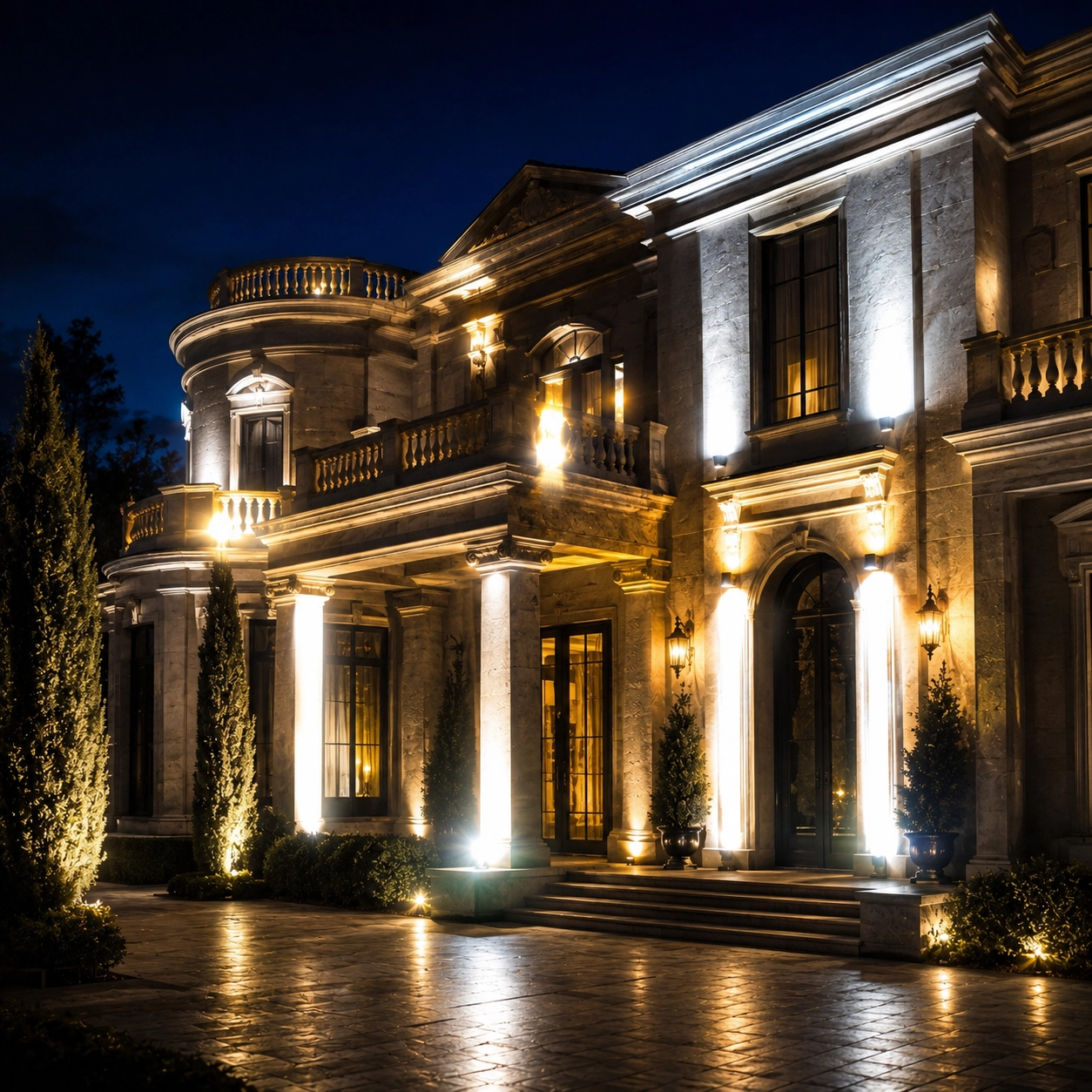
A wall-mounted light is a type of lighting fixture installed on building walls, columns, entryways, or perimeter walls. Beyond providing illumination, these lights can enhance the building's exterior appearance. Outdoor wall lights are typically used to illuminate villa entrances, terraces, porches, courtyard walls, and pathways adjacent to the building. If your courtyard space is limited, or if you want effective lighting without occupying ground space, a wall-mounted light is a practical choice. However, the level of brightness and the light coverage area depend on the fixture's design, the installation height, and the specifications of the light source.
2. What Is a Post Light and Where Is It Suitable?
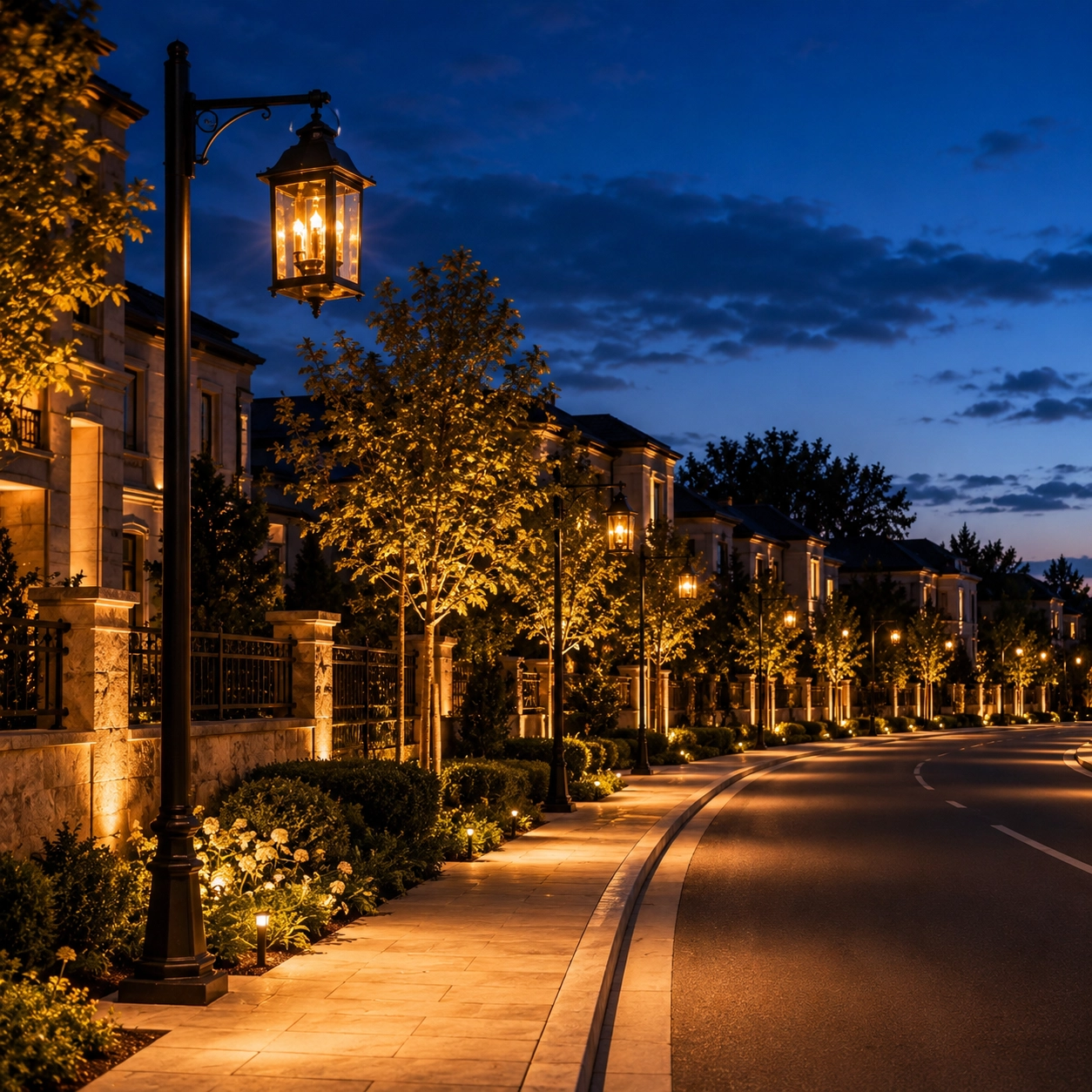
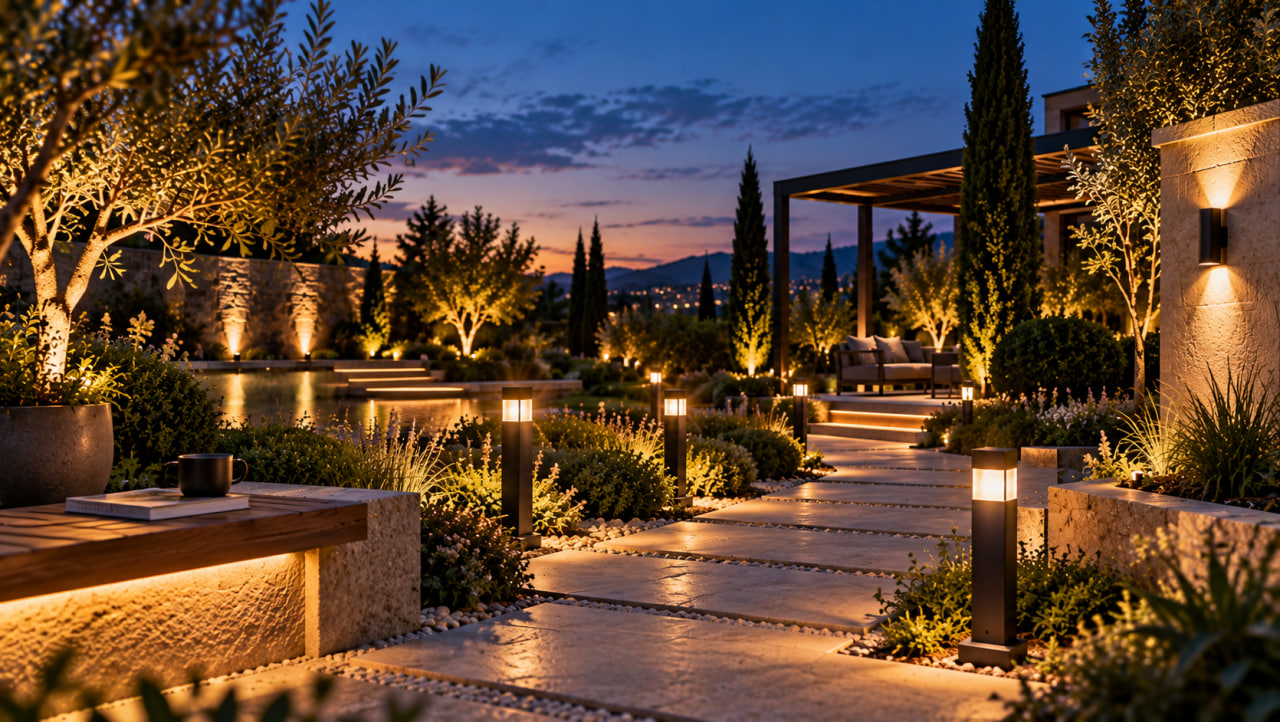
Post lights are installed on the ground and come in various heights. They are commonly used to illuminate garden paths, villa grounds, green spaces, and building entrances. Short post lights are ideal for marking walkways and illuminating flowerbeds. Conversely, tall post lights can be used for general illumination of larger areas. One advantage of post lights is that they can be placed in areas of the grounds where there are no suitable walls for mounting lights. By selecting the appropriate height and spacing between the lights, you can achieve more uniform illumination across pathways and open spaces.
3. What is the difference between wall-mounted lights and post lights?
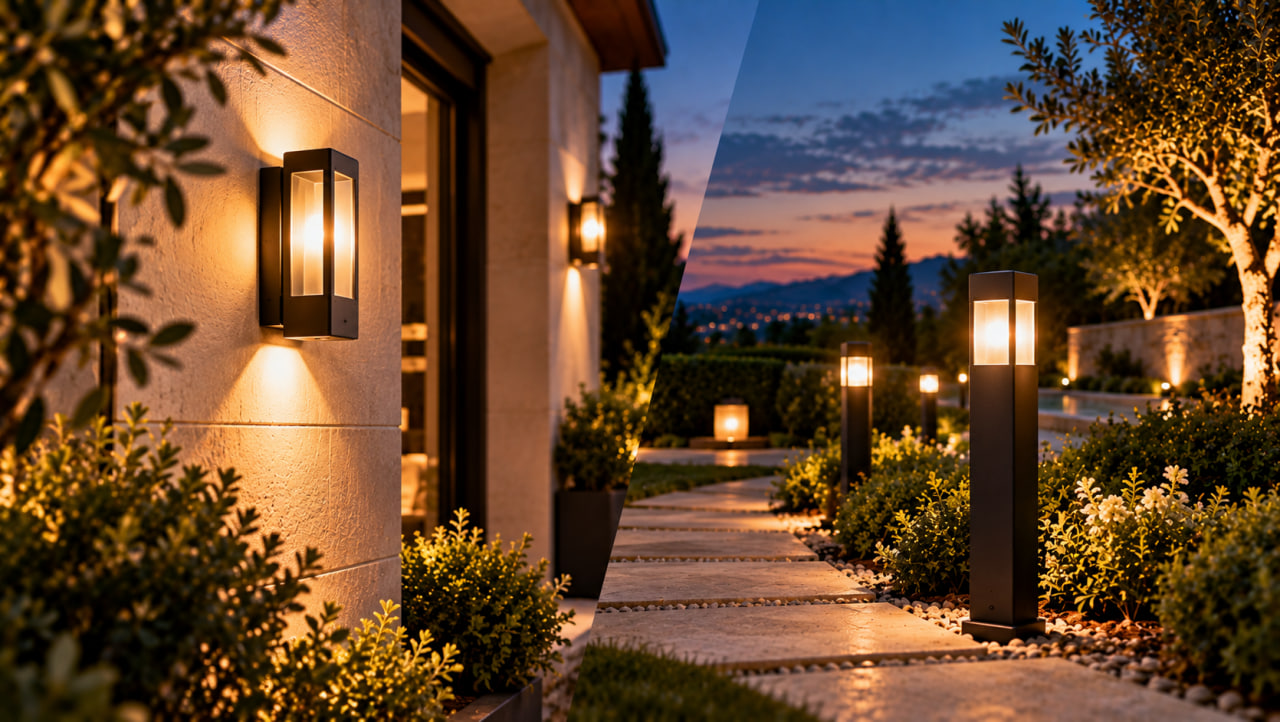
The primary difference lies in their installation location and how they distribute light. Wall-mounted lights are typically used to illuminate the area immediately surrounding a wall, building entrances, and sections of the façade. In contrast, post lights are better suited for illuminating pathways, garden beds, and standalone areas within the grounds. For instance, if you wish to illuminate a building entrance, a wall-mounted light with a design that complements the façade is an excellent choice. However, for lighting a path between garden beds, using low-profile post lights with controlled light distribution often yields better results.
4. What should be considered when purchasing wall-mounted and post lights?
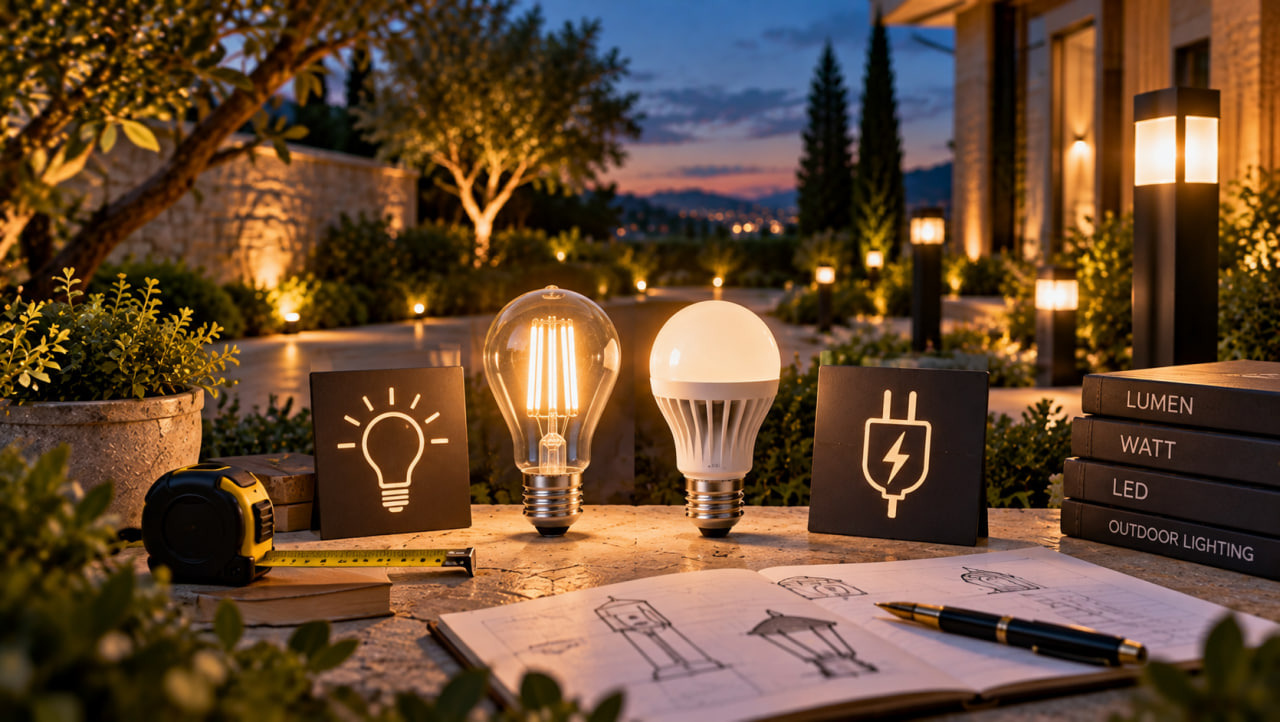
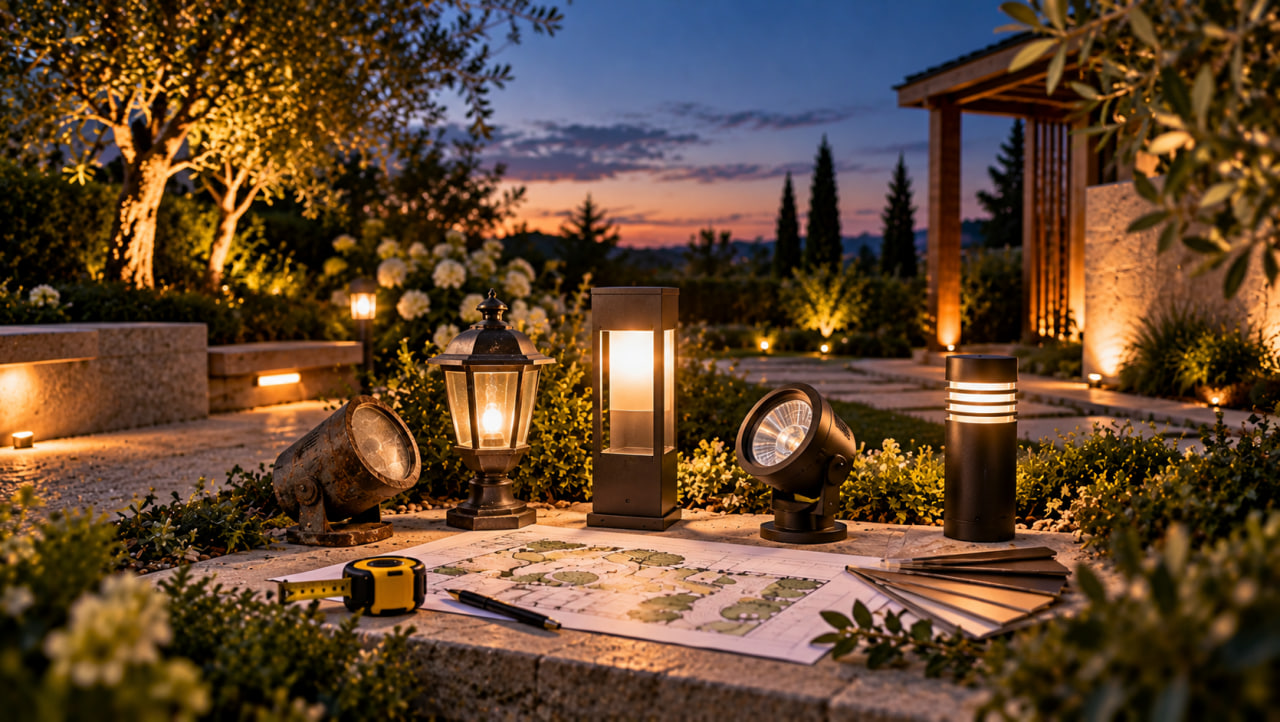
When selecting outdoor lighting, do not focus solely on aesthetics; build quality and technical specifications are equally important. The IP rating (Ingress Protection) is a crucial factor to check. For many outdoor environments exposed to rain and dust, IP65-rated lights are a suitable option. The material of the fixture body also affects durability. Lights featuring die-cast aluminum bodies with a quality powder-coat finish are excellent choices for many outdoor applications. Additionally, consider factors such as light intensity, color temperature, installation height, and how well the fixture's design harmonizes with the building's architecture.
5. Can wall-mounted lights and post lights be used together?
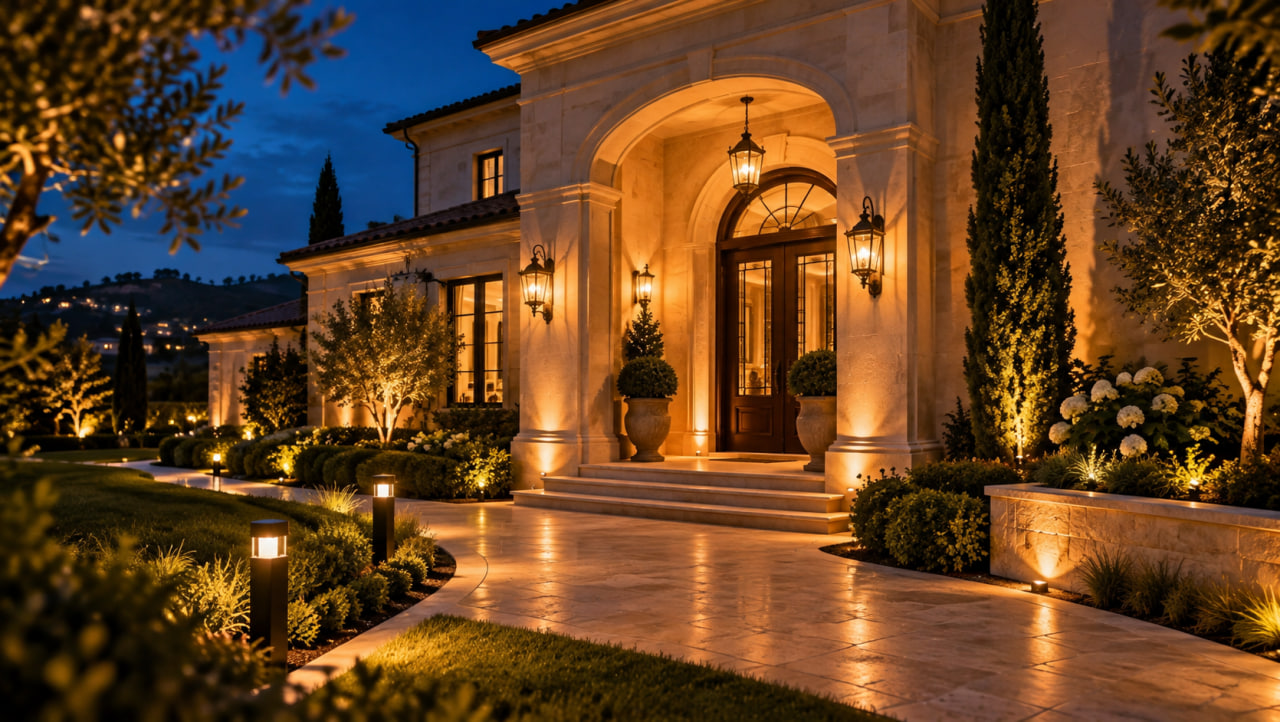
Yes, combining wall-mounted and post lights can help create a layered lighting scheme for courtyards and villas. For example, you might use wall-mounted lights to illuminate the building entrance while using low-profile post lights to define a garden path. With this approach, it is best to ensure that the light color and the visual design of the fixtures complement one another. Additionally, care should be taken to avoid excessive brightness or direct glare hitting people's eyes.
Conclusion
The choice between wall-mounted lights and post lights depends on the installation site, the dimensions of the area, and the lighting objective. Wall-mounted lights are suitable for building entrances, terraces, and courtyard walls, whereas post lights are ideal for illuminating pathways, garden beds, and open areas. In many lighting projects, a well-planned combination of these two types of fixtures can provide the necessary illumination while creating a beautiful, cohesive look for the outdoor space.


نظرات
هنوز نظری ثبت نشده است.