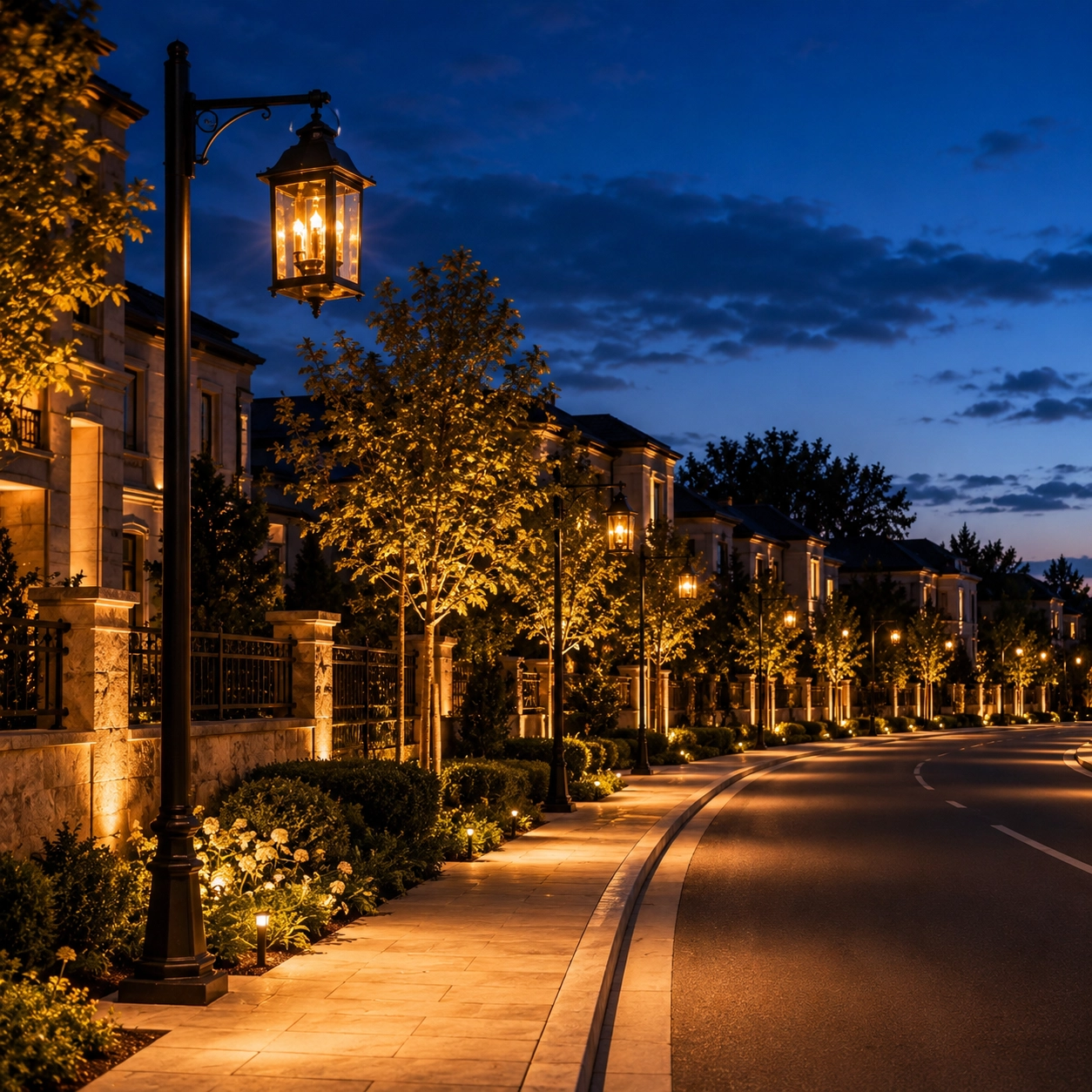
How to Choose the Right Outdoor Lighting
When choosing outdoor lighting, the first things to consider are the installation location, the level of exposure to water and dust, the type of light required, the fixture material, and the overall design style of the space. A suitable outdoor light fixture should not only complement the architecture but also provide sufficient resistance to environmental conditions and deliver the right amount of illumination.
Choosing the wrong light fixture can reduce the product’s lifespan, increase maintenance costs, result in poor lighting, and even create dark spots in the area. For this reason, it is best to carefully evaluate several key factors before making a purchase.
1. First, Determine Where the Light Will Be Installed
The first step in choosing a light fixture is identifying the installation location. A light that works well in a semi-covered porch may not necessarily be suitable for a fully exposed outdoor area or a space directly exposed to rain.
For example, lighting requirements can vary across different areas:
Garden and courtyard pathways need soft, guiding light.
Building entrances require sufficient illumination for clear visibility.
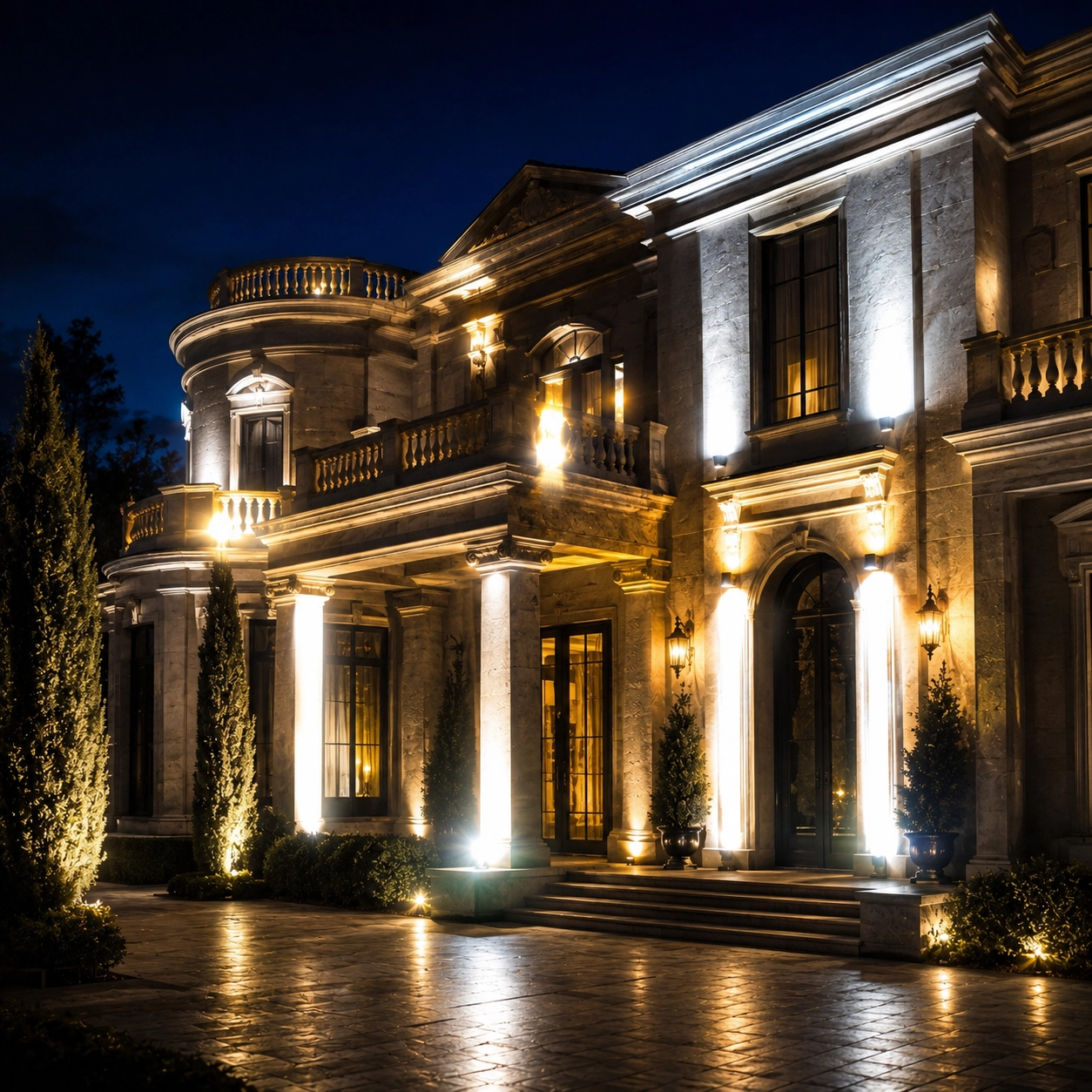
Building facades often benefit from decorative lighting that highlights architectural details.
Landscaped areas can look more attractive with controlled, directional lighting.
Parking areas and large outdoor spaces usually require fixtures with broader light coverage.
So, before focusing on the appearance of the fixture, first determine its intended use.
2. Check the IP Rating of the Light Fixture
One of the most important specifications of outdoor lighting is the IP rating.
The IP rating indicates how well the fixture is protected against dust and moisture. The harsher the environmental conditions, the more important it is to choose a fixture with an appropriate level of protection.
For example, a fixture installed in a semi-covered area may require a different protection level from one that is directly exposed to rain and dust.
It is important to remember that a higher IP rating does not always mean a better choice for every location. The best option is the protection level that matches the actual conditions of the installation area.
Why Is Choosing the Right IP Rating Important?
Using a light fixture with the appropriate IP rating can:
Reduce the risk of water and dust entering the fixture.
Extend the lifespan of the light.
Lower repair and maintenance costs.
Help maintain stable performance under different environmental conditions.
3. Pay Attention to the Fixture Material
Outdoor light fixtures are constantly exposed to temperature changes, humidity, sunlight, and environmental pollution. For this reason, the body material is one of the most important factors affecting durability.
Durable metal bodies, especially aluminum with a suitable protective finish, are widely used in outdoor lighting products.
The coating is also very important. Durable finishes such as electrostatic powder coating can help improve the fixture’s resistance to environmental conditions.
When buying outdoor lighting, do not focus only on appearance. The quality of the fixture body can have a direct impact on the product’s service life.
4. Choose the Right Light Color for the Space
Light color has a major effect on the atmosphere of a space.
Warm light usually creates a calmer, more welcoming, and more luxurious atmosphere. It is a popular choice for gardens, villa landscapes, gazebos, building entrances, and decorative spaces.
Natural or neutral light provides greater visual clarity and is suitable for areas where better visibility is important.
In contrast, excessive use of very cool light in decorative areas may make the space feel cold or overly industrial.
The ideal light color should complement the architectural style, material colors, and function of the space.
5. Brighter Is Not Always Better
One common mistake when choosing lighting is focusing too much on brightness.
Good lighting does not mean using the highest possible light output. In many spaces, excessive brightness can cause glare and reduce the overall visual appeal.
For example, along garden pathways, the light should be controlled and directed toward the walking surface rather than illuminating the entire area too intensely.
For building facades, the lighting should emphasize important architectural features.
Therefore, instead of focusing only on brightness, pay attention to how the light is distributed.
6. Match the Lighting Style With the Architecture
A light fixture is part of the overall design of a space, and even during the day when it is switched off, it remains visible as a decorative element.
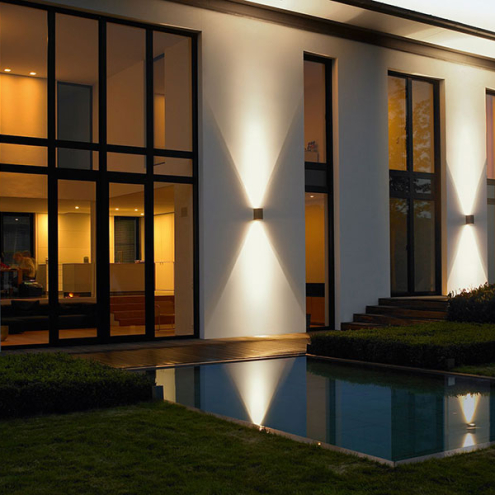
For modern buildings, fixtures with simple lines, geometric forms, and minimalist designs are usually a suitable choice.
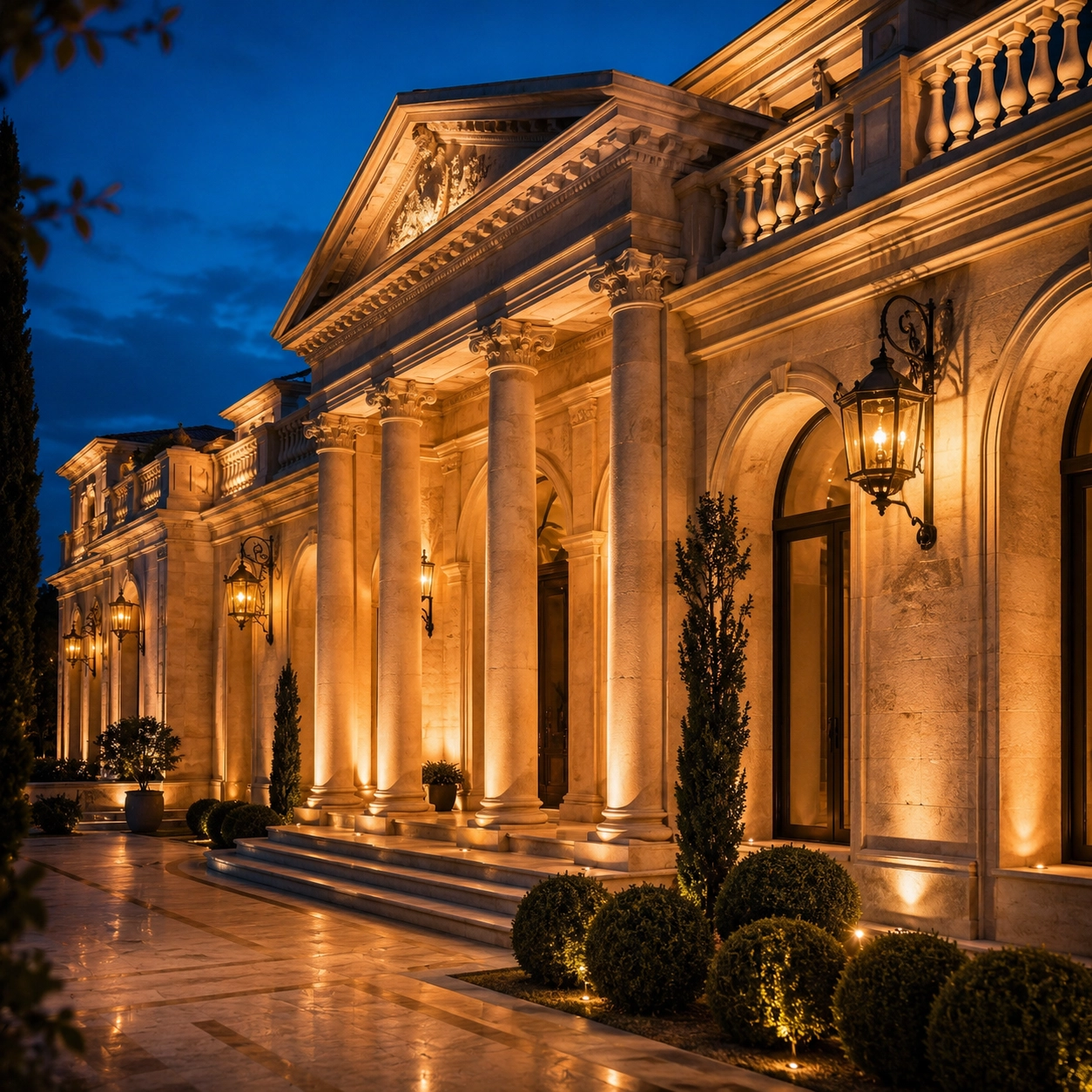
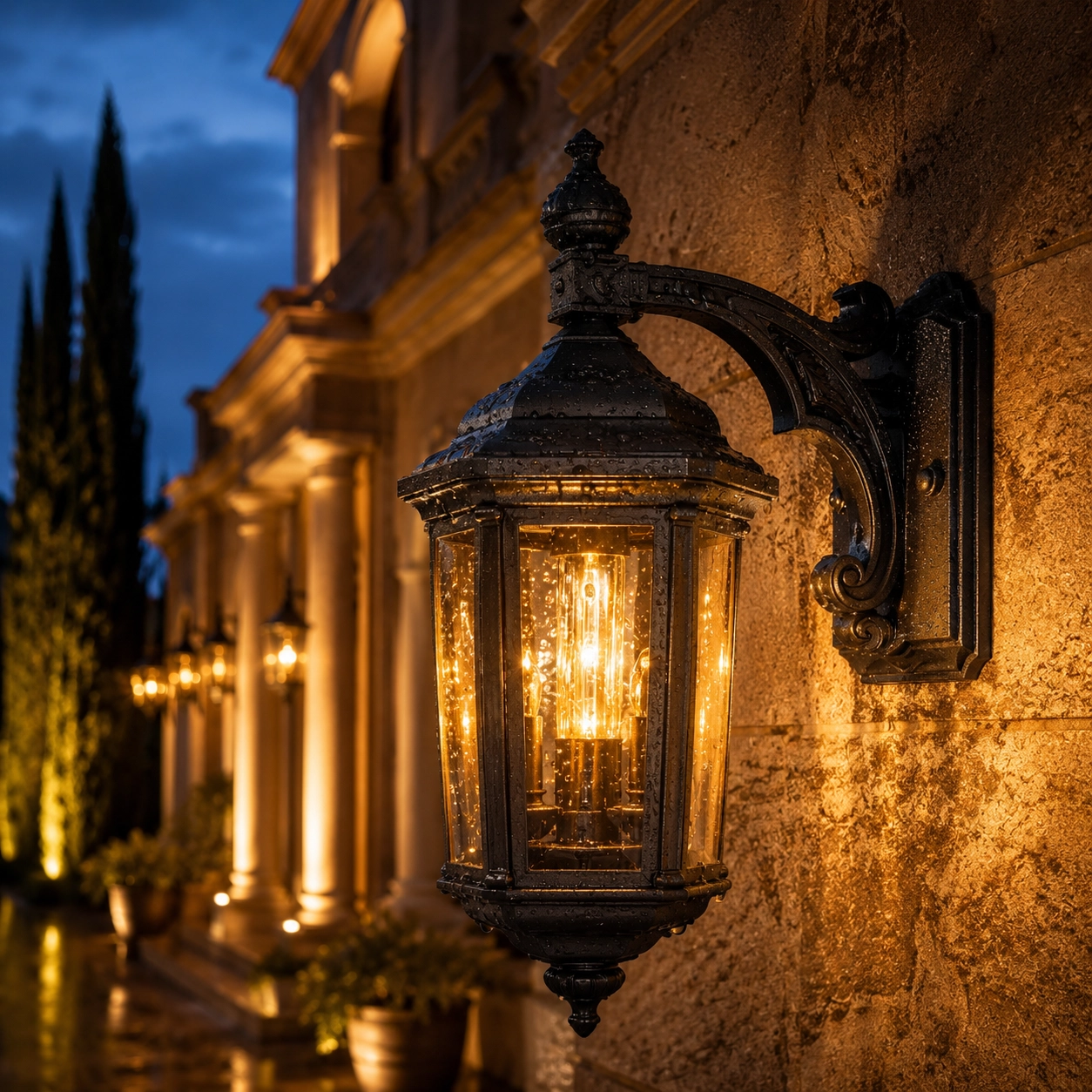
For classical buildings, fixtures with more decorative details and traditional forms can create better visual harmony with the architecture.
This consistency helps the fixture feel like an integrated part of the architectural design rather than a separate element.
7. Choose a Different Type of Light for Each Area
One of the key principles of professional lighting design is using multiple types of light sources.
Instead of using the same fixture throughout the entire space, you can select a suitable light for each specific function.
For example:
Short bollard lights are ideal for marking pathways.
Wall lights can be used for entrances, boundary walls, and building facades.
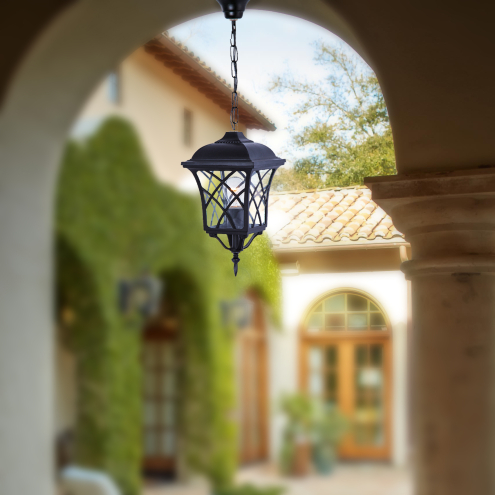
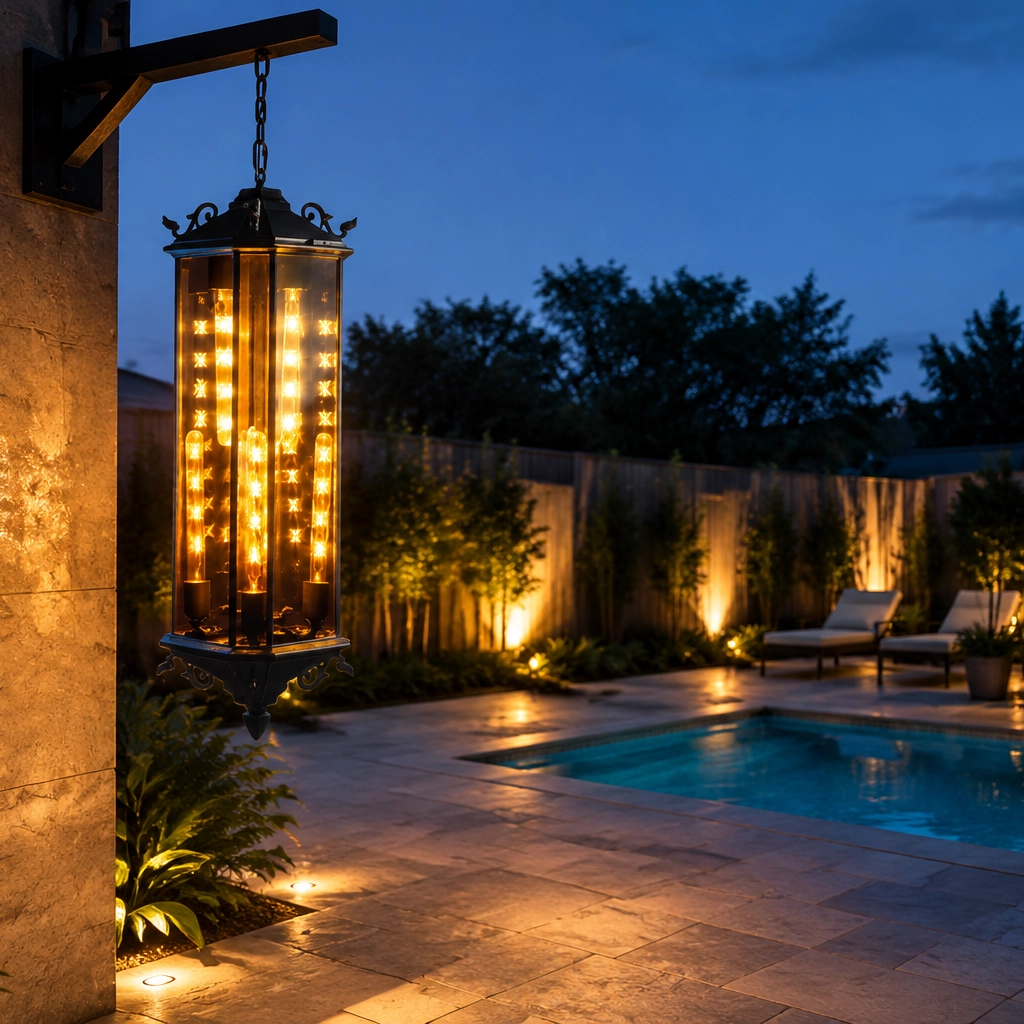
Pendant lights are suitable for semi-covered areas such as terraces and gazebos.
Floodlights can be used to illuminate trees, facades, or prominent architectural features.
Combining these light sources correctly creates a professional, layered lighting design.
8. Consider the Light Source and Maintenance Requirements
When buying a light fixture, it is also important to check the type of light source.
Some fixtures allow the bulb to be replaced, while others use an integrated light source.
Each option has its own advantages and applications. The important point is to understand in advance what will be required if the light source needs to be repaired or replaced.
For projects where easy maintenance is especially important, this can be one of the main selection criteria.
9. Take Pathway Lighting Seriously
Pathway lighting plays an important role in both the safety and the appearance of an outdoor space.
Steps, changes in level, paved pathways, and building entrances should all have sufficient illumination.
In these areas, it is better to use fixtures that direct light toward the ground so that the pathway is clearly visible without causing direct glare.
The spacing between fixtures is also important. Installing lights too close together can create unnecessary brightness, while placing them too far apart can create dark areas.
10. Create Balance in Outdoor Lighting
One of the most important principles of lighting design is balance.
Not every part of the environment should be illuminated at the same intensity. In a professional lighting design, some areas are brighter while others remain softer and more subtle.
You can begin by illuminating the main pathways, then highlight important elements such as trees, walls, columns, or parts of the facade, and finally use decorative lighting to add depth to the space.
This approach creates a more natural and visually appealing atmosphere at night.
Common Mistakes When Choosing Outdoor Lighting
One of the most common mistakes is choosing a light fixture based only on its appearance. Attractive design is important, but build quality and installation conditions must also be considered.
Using too much light, choosing an unsuitable light color, installing fixtures without considering the IP rating, using the same type of light throughout the entire space, and ignoring the direction of light are also common mistakes.
Avoiding these simple mistakes can significantly improve the overall quality of outdoor lighting.
What Type of Lighting Is Suitable for Gardens and Courtyards?
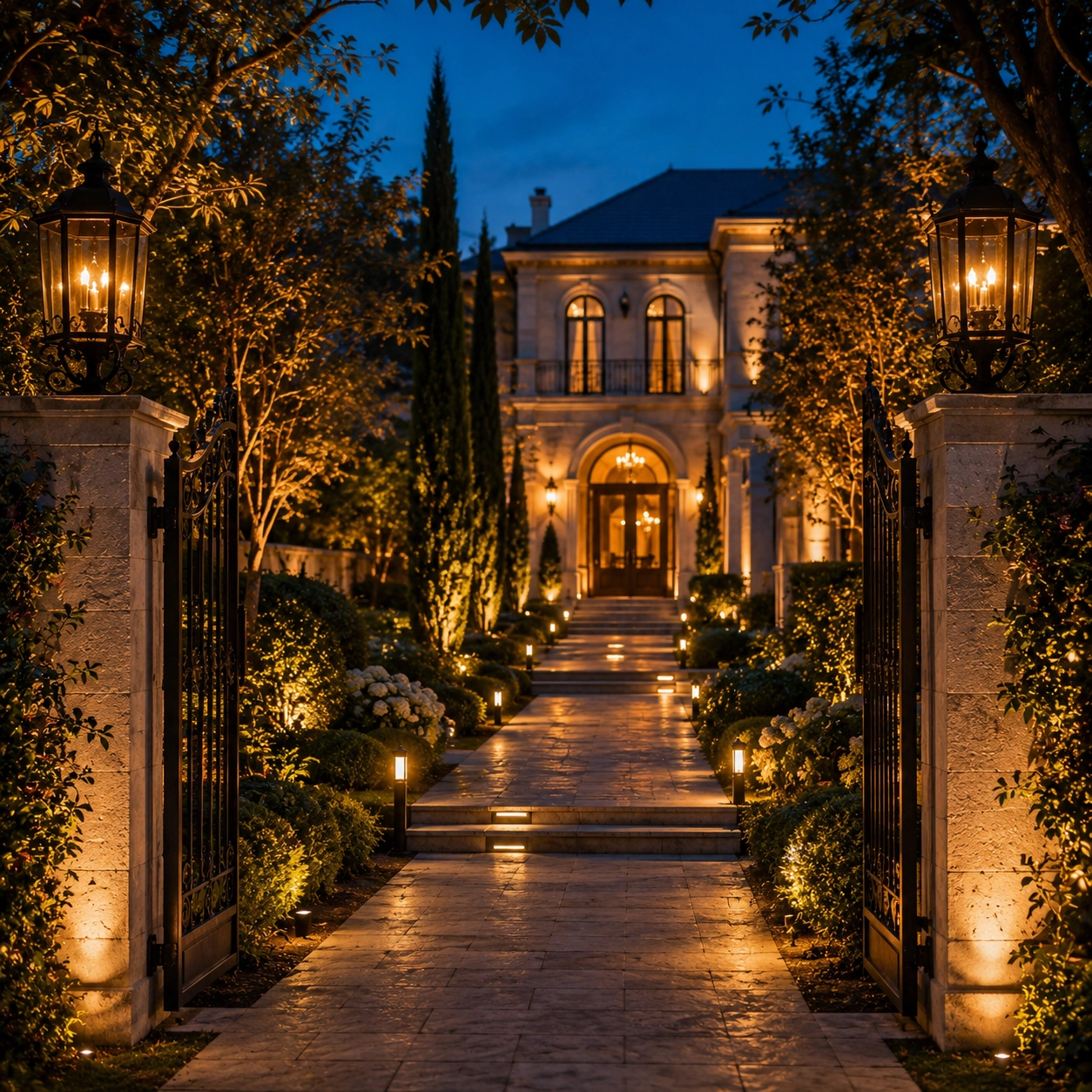
For gardens and courtyards, a combination of bollard lights, wall lights, and accent lighting usually provides the best result.
Short bollard lights can define pathways. Wall lights are suitable for illuminating entrances and surrounding walls, while accent lights can be used for trees and decorative elements.
The exact type of fixture should be selected based on the size of the area, the architectural style, and the required level of illumination.
What Type of Light Should Be Used for a Building Entrance?
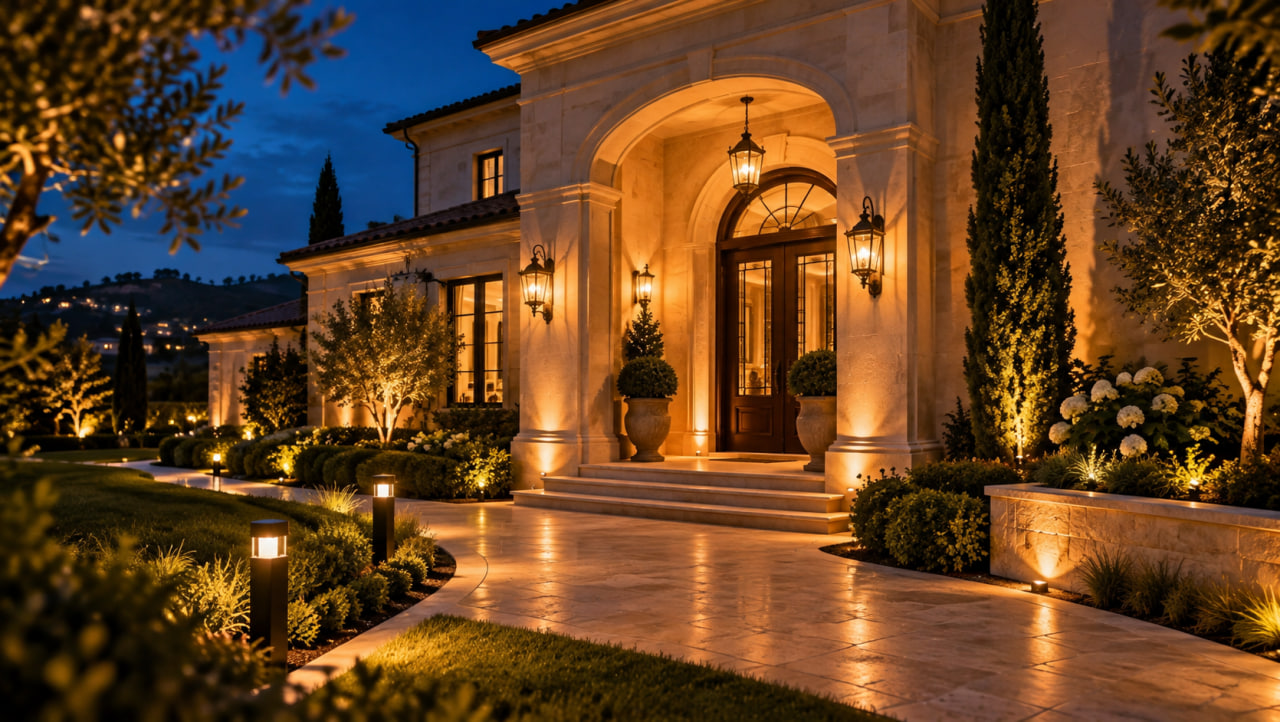
The entrance is one of the first parts of a building that is seen at night, so its lighting is important both aesthetically and functionally.
Depending on the architectural style, wall lights, entrance lights, or pendant fixtures can be used in this area.
Entrance lighting should be bright enough to clearly illuminate people’s faces, the doorway, and the area directly in front of it, but it should not be so intense that it causes glare.
Conclusion
Choosing the right outdoor lighting is a combination of aesthetics, quality, and functionality.
Before making a purchase, you should consider the installation location, IP rating, fixture material, light color, brightness level, design style, and maintenance requirements.
The right choice not only improves the appearance of the space but can also enhance safety, lighting quality, and the lifespan of the lighting equipment.
If you are unsure about choosing the right lighting for your courtyard, garden, facade, entrance, or outdoor area, it is best to carefully assess the project conditions before purchasing and select the most suitable product based on the actual needs of the space.

نظرات
هنوز نظری ثبت نشده است.